
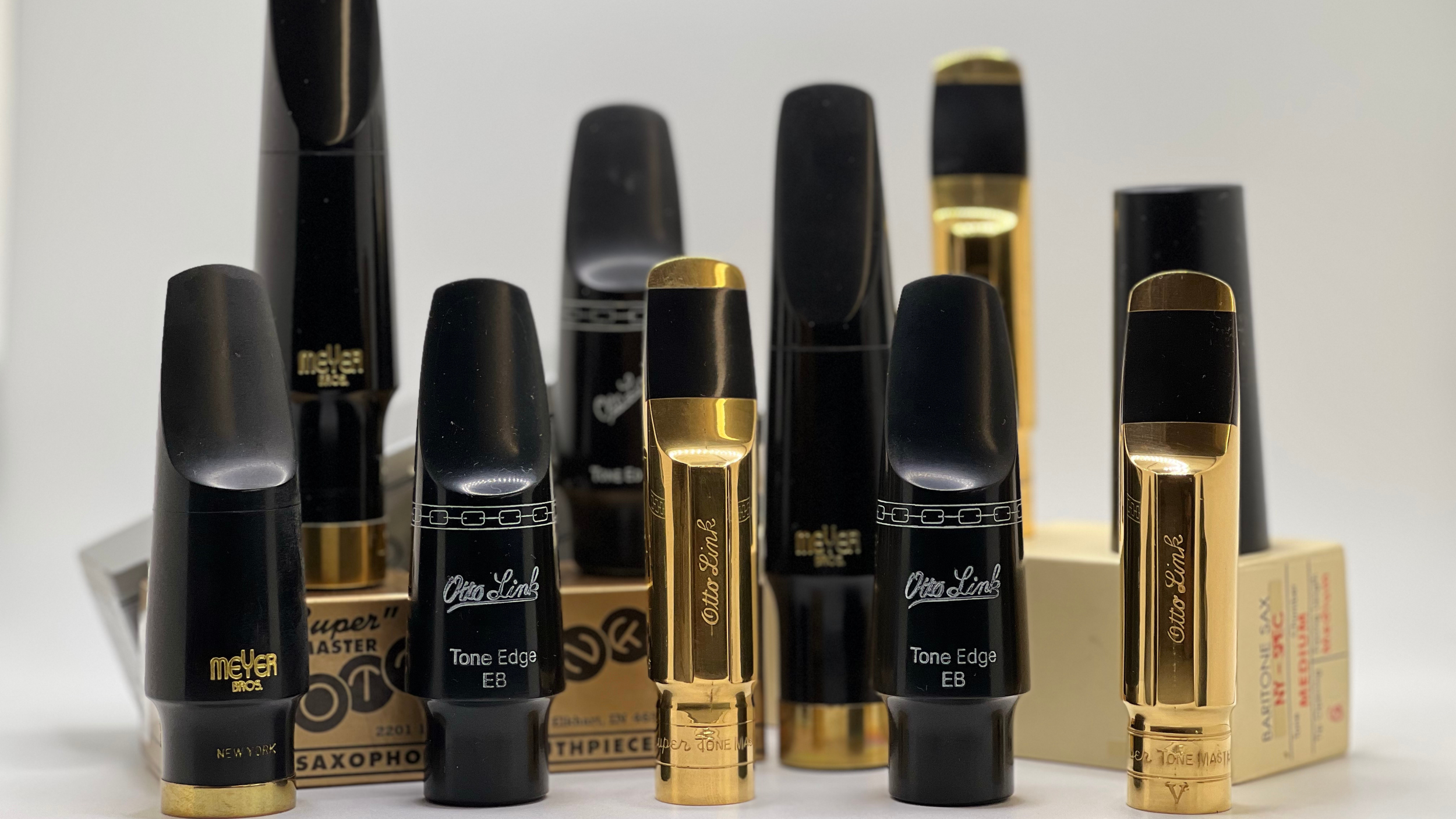
Our Mouthpieces
Over a Century of Passion, Artistry, and Expertise poured into every Meyer, Otto Link, and Hite Mouthpiece.



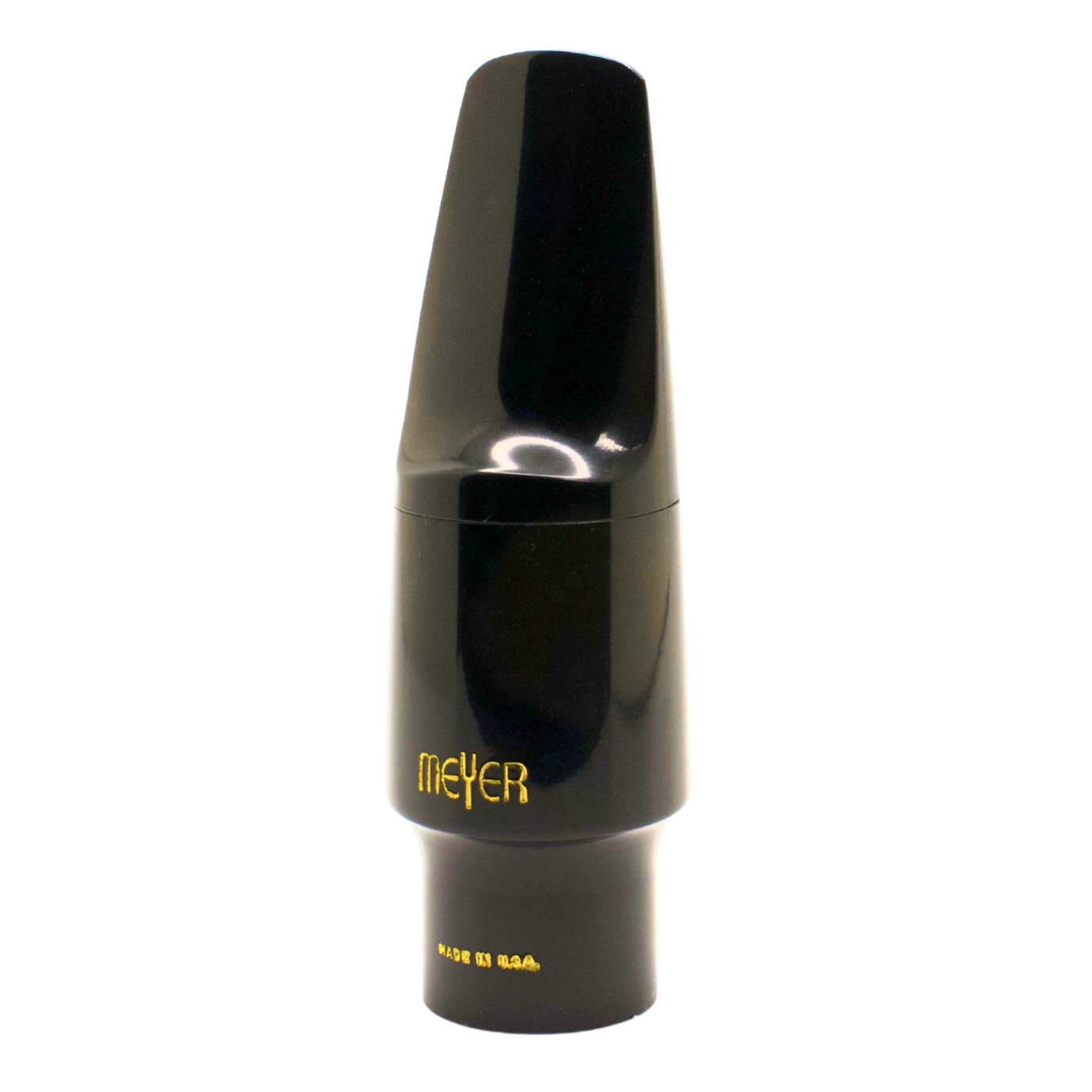
Meyer
-
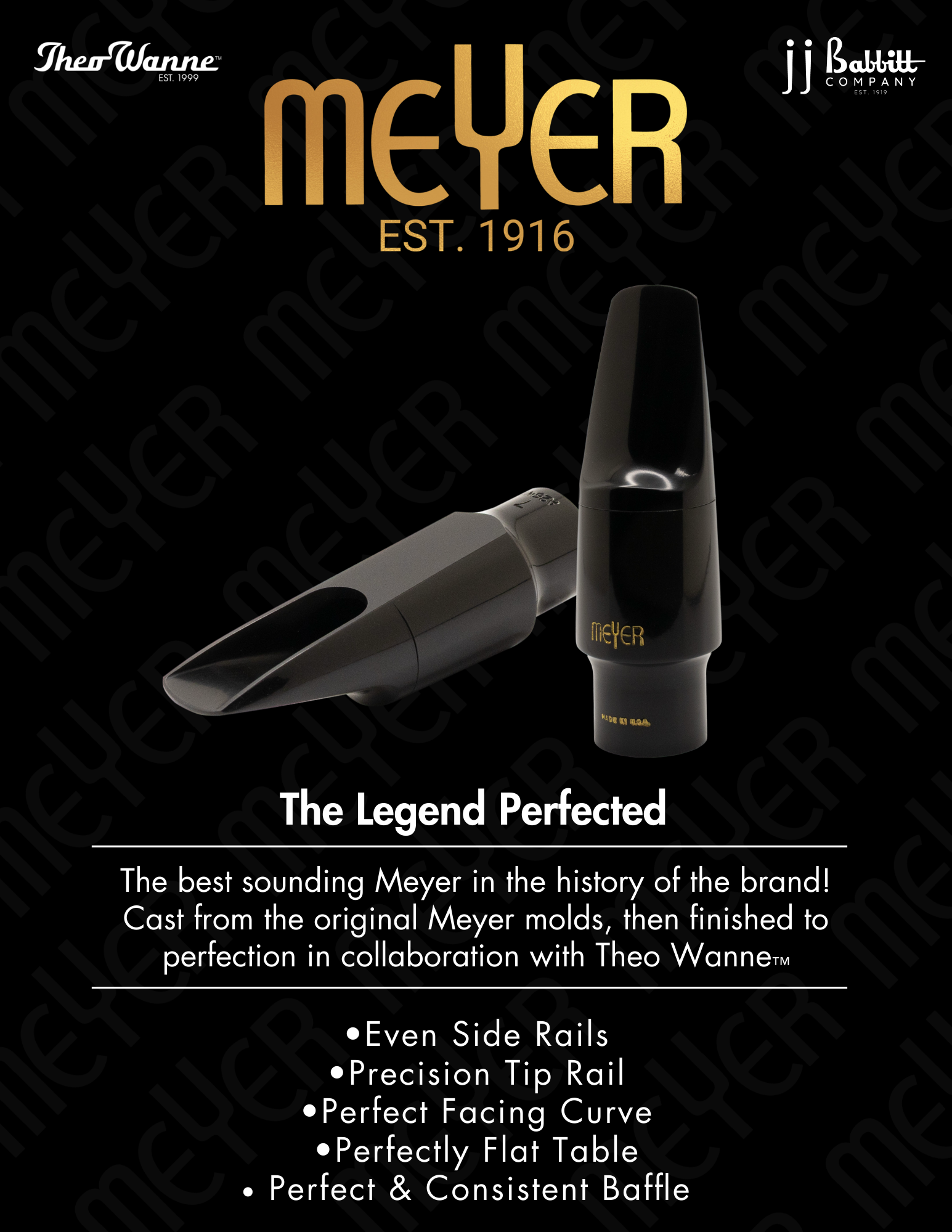
![Meyer Hard Rubber saxophone mouthpiece – classic jazz tone and craftsmanship.]()
Meyer
The definitive jazz mouthpiece.
Warm, balanced, and endlessly versatile, Meyer delivers the classic jazz voice with clarity, control, and modern consistency.Brand New!
-
![Meyer Bros. Connoisseur Hard Rubber saxophone mouthpieces – soprano, alto, tenor, baritone.]()
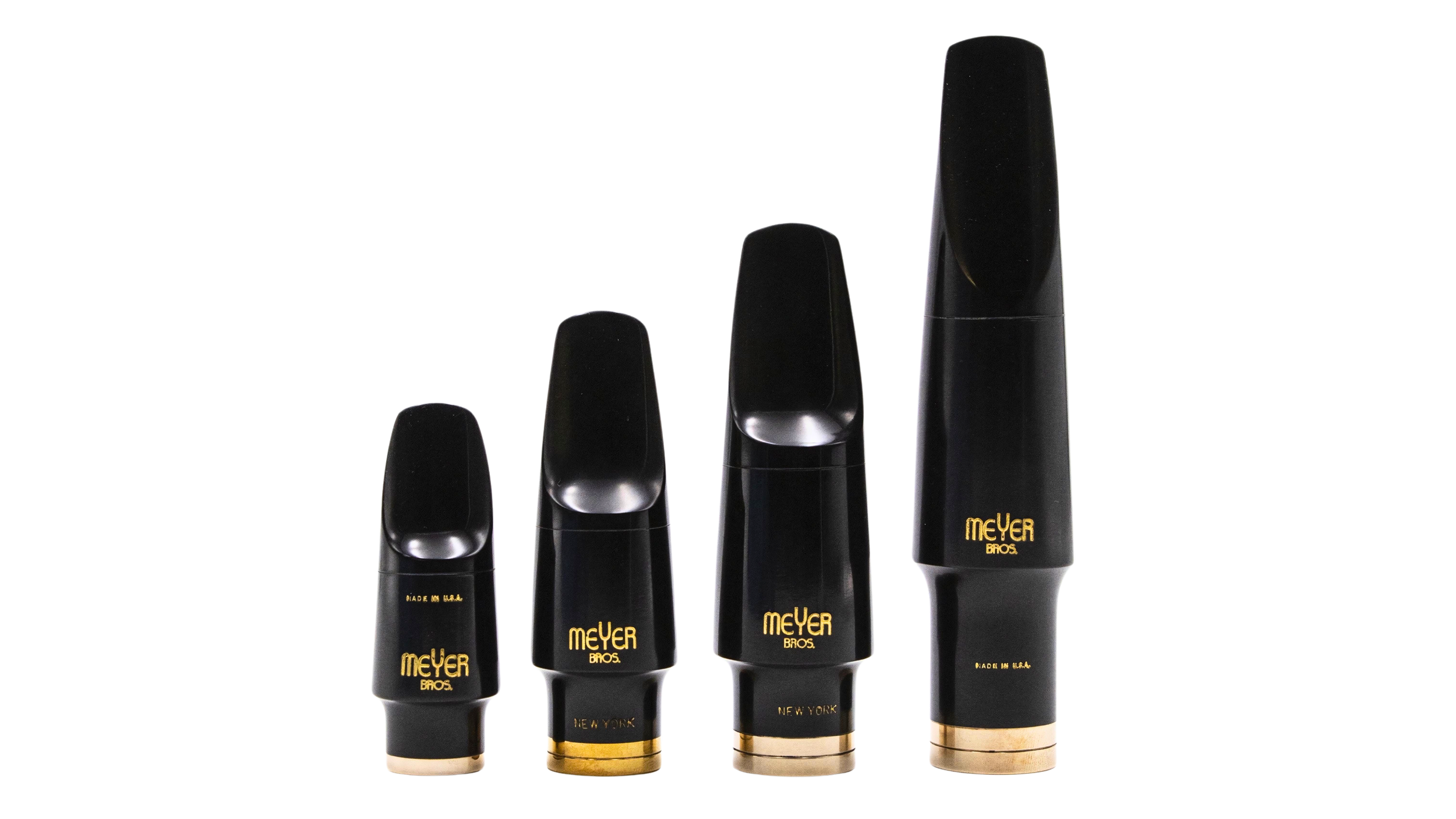
Meyer Bros. Connoisseur
The pinnacle of 100% handcrafted brilliance. Inspired by Cannonball Adderley, channel the spirit of jazz legends with Meyer Bros. Connoisseur—a versatile mouthpiece delivering bold, robust tones.
-
![Meyer New York 100 Anniversary]()
New York 100th Anniversary
A Century of Meyer, Refined A fully handcrafted tribute to vintage New York Meyer tone, delivering warmth, presence, and modern consistency without losing its soul.

Otto Link
-
![Deep, smoky tones define the Otto Link New York - a mouthpiece that balances resonance with subtle power.]()
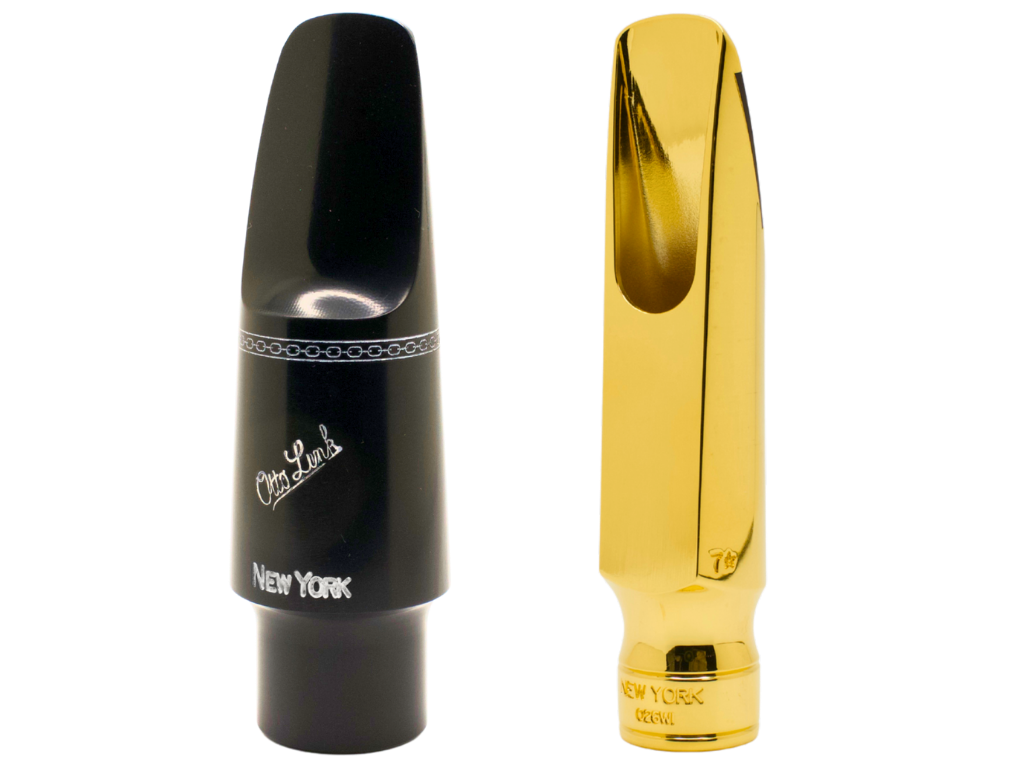
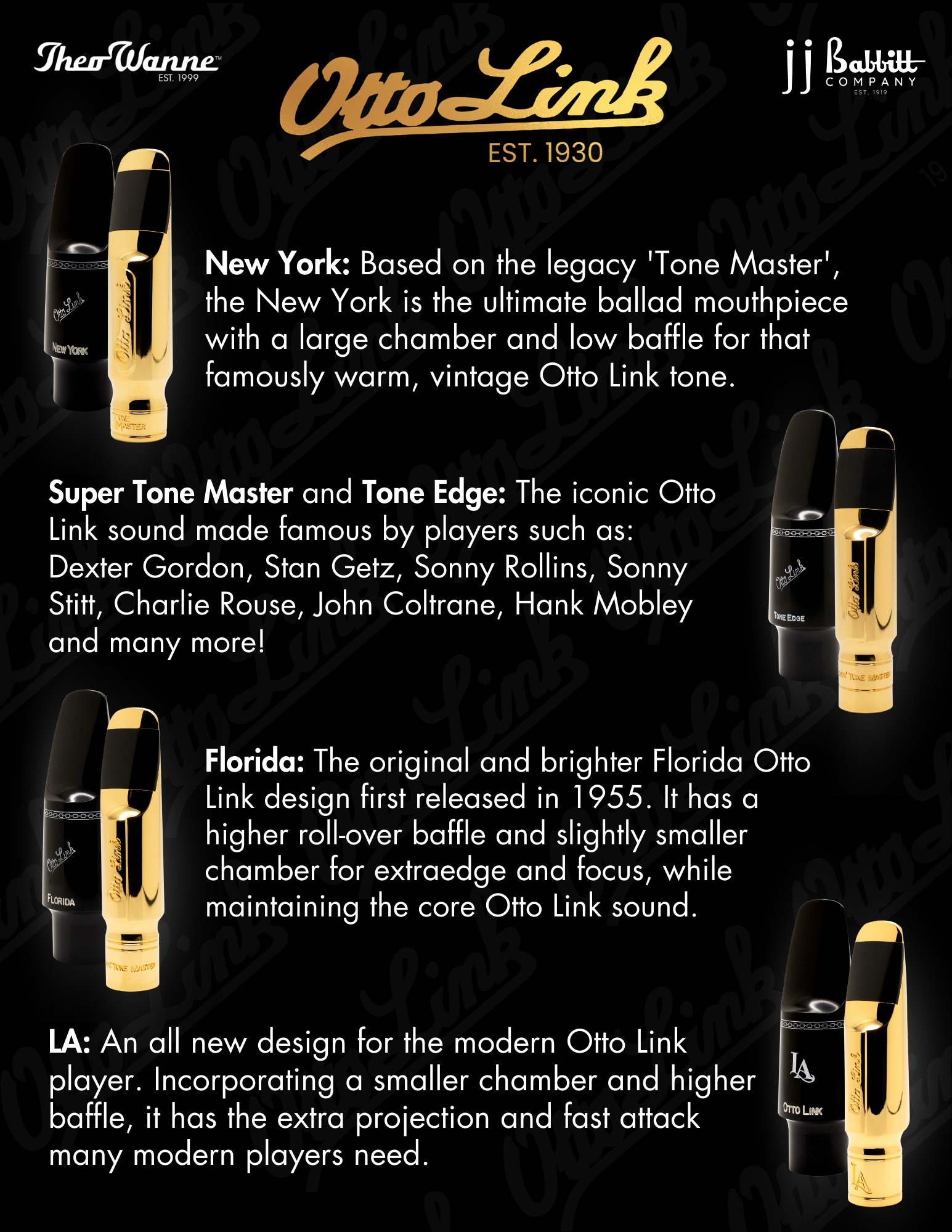
New York
Pure warmth. Pure lyricism.
Designed for ballads and expressive phrasing, the New York delivers a wide, vintage Link sound with unmatched depth and musicality.Brand New!
-
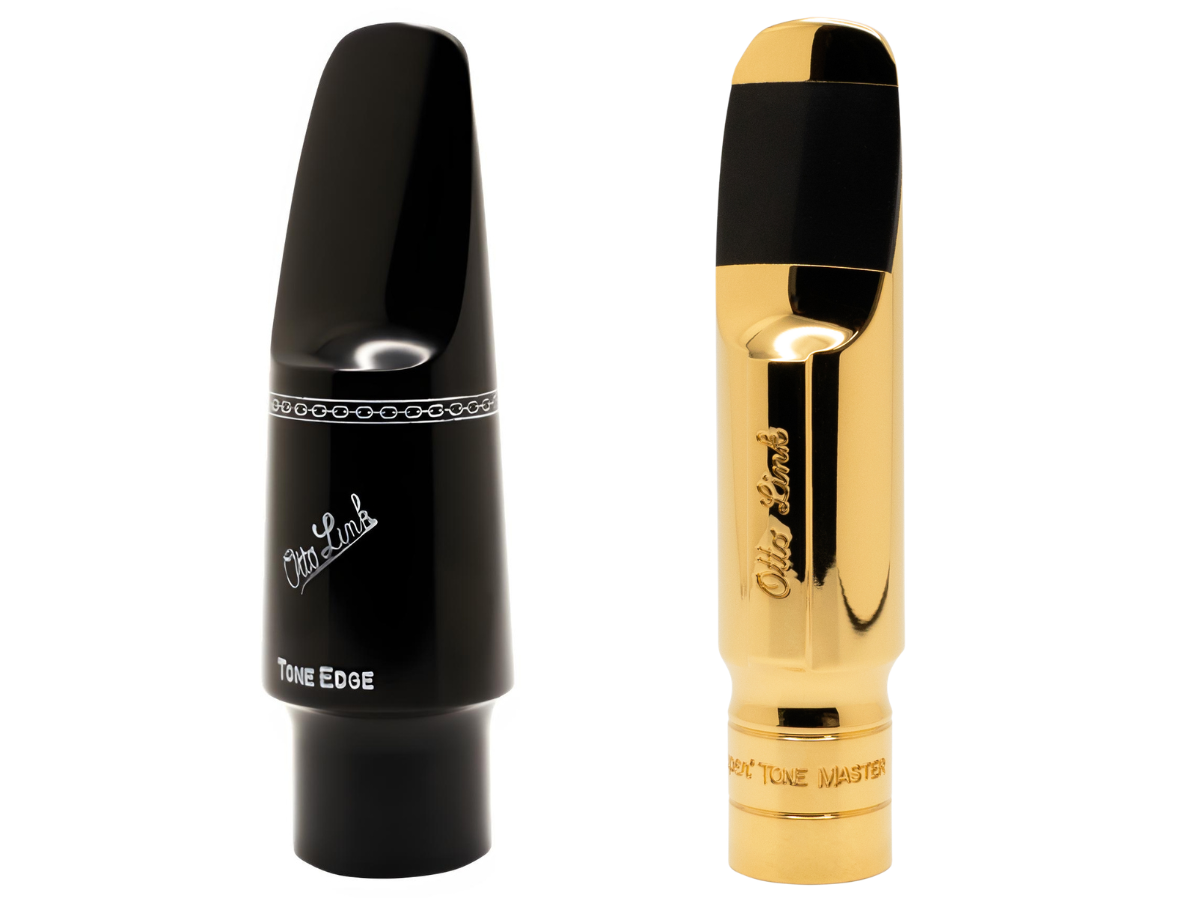
![Tone Edge Super Tone Master]()
Tone Edge & Super Tone Master
Jazz History, refined.
Elevated designs blend rich, full-bodied depth with iconic warmth and projection, delivering the unmistakable Otto Link core.Brand New!
-
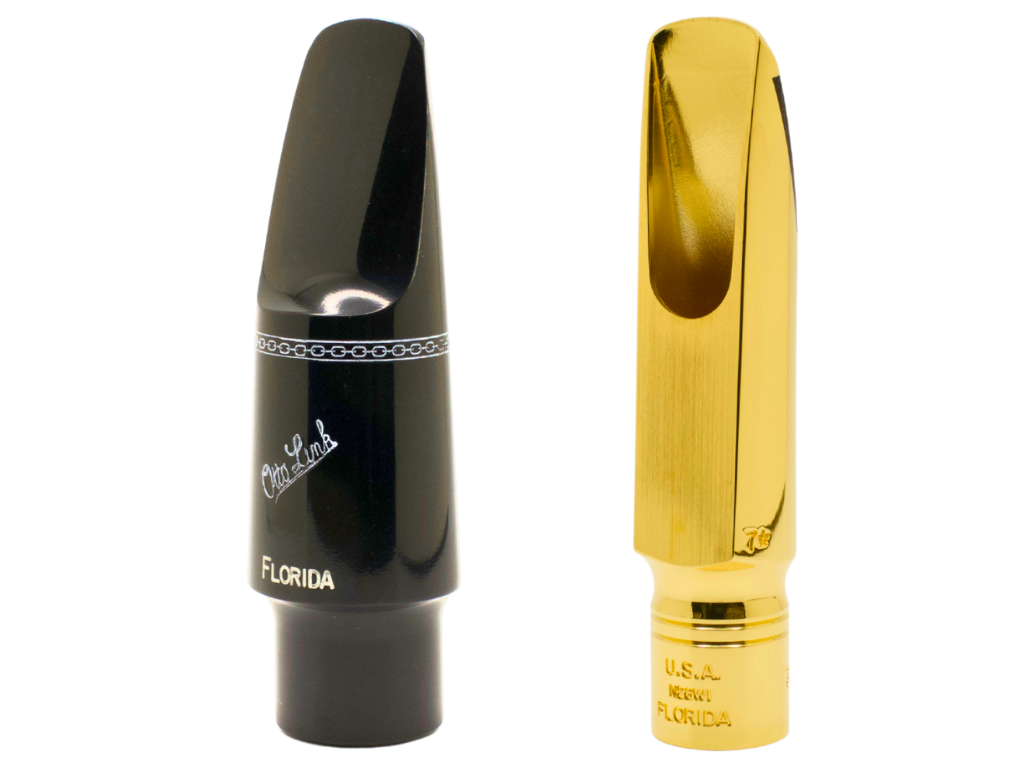
![Otto Link Florida hard rubber metal tenor saxophone mouthpiece, known for bold projection and bright, sparkling tone.]()
Florida
The brighter side of Link.
Focused, cutting, and immediate, the Florida delivers classic Otto Link warmth with extra edge and presence for demanding stages.Brand New!
-
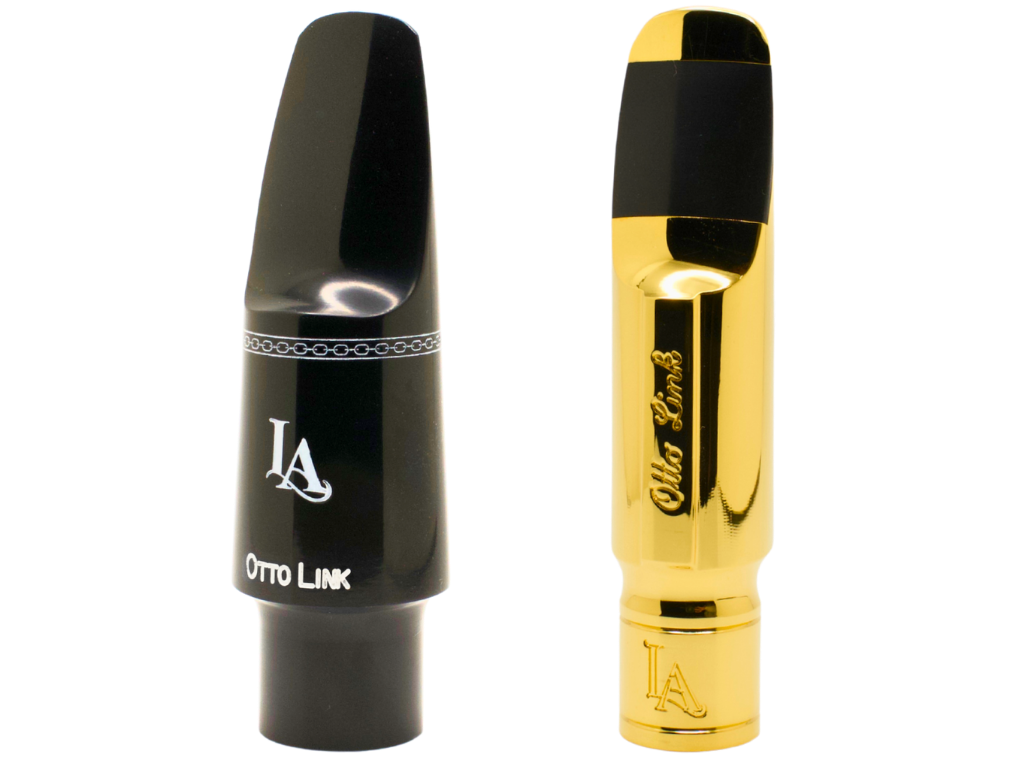
![Otto Link LA Hard Rubber tenor saxophone mouthpiece, renowned for it's modern edge and projection with classic core sound.]()
LA
Modern Link attack with an extra gear.
Focused, fast, and powerful, the LA blends classic Otto Link core with added edge, clarity, and projection for contemporary playing.Brand New!
Hite
-

Premiere
The definitive student mouthpiece.
Professional sound, student-friendly price—Premiere by Hite sets a high bar for playability and tone.
-

J&D
Where craftsmanship meets versatility—J&D Hite offers a rich, resonant foundation for every musician.
Choosing The Right Mouthpiece
Not sure where to start? Think of this as a starting point, not the final word. Every player is different, so use this tool to narrow the field.
Find your sound.
Answer three quick questions and we'll point you to the right mouthpiece — Meyer, Otto Link, or Hite — for how you play.
New For 2026
Alto
Tenor
Where to Buy Meyer, Otto Link, and Hite Mouthpieces
Our mouthpieces are available through a variety of trusted online and “brick and mortar” retailers worldwide. While we don’t sell our most popular mouthpieces directly from this website, we encourage you to explore and inquire at your preferred musical instrument stores to find the perfect Meyer, Otto Link, or Hite mouthpiece for your sound. Whether you're browsing in-store or online, your favorite retailers likely carry our full range of mouthpieces.
Feel free to reach out to us if you need help finding our mouthpieces, or ask your local music shop or check online platforms to experience this new era of Meyer, Otto Link, and J&D Hite.
Why Do Meyer and Otto Link Mouthpieces Use Geographic Names?
The geographic names associated with Meyer and Otto Link mouthpieces are not stylistic choices or marketing inventions. They are historical references that mark where a mouthpiece was made during a specific era and, more importantly, how it was made at that time.
In the early days of mouthpiece manufacturing, changes in location often meant changes in people, tooling, materials, and methods. Those shifts had real, audible consequences. Over time, players began associating certain sounds and playing characteristics with specific eras and locations, long before anyone thought of them as “models.”
The names stuck because the sounds did.
What the Names Really Mean
These geographic names are not about nostalgia. They are about intent.
Each name tells you what the mouthpiece is designed to do, how it’s meant to feel, and where it fits within the broader Meyer and Otto Link sound family. They help players choose a mouthpiece not by hype, but by lineage.
In this new era, those names matter more than ever, because the goal is not to reinvent them. It is to execute each one faithfully, consistently, and with confidence, so that the sound players associate with those names is finally something they can trust again.
-
Meyer mouthpieces trace their roots to the Meyer Brothers in New York City, where the designs that would later define the modern jazz alto sound were first established. These early New York-era mouthpieces became known for their warmth, balance, and expressive flexibility.
When Meyer production eventually moved, the original tonal identity remained the reference point. Today, when players talk about “vintage Meyer” sound, they are often referring—whether they realize it or not—to the characteristics established during the New York era. The name reflects the birthplace of that sound, not a different design philosophy.
-
Otto Link began making mouthpieces in New York, and those early New York-era Links became synonymous with warmth, depth, and lyrical phrasing. Large chambers and low baffles defined a sound that felt wide, relaxed, and deeply musical, especially suited for ballads and expressive jazz playing.
The New York designation reflects that original tonal intent. When players choose an Otto Link New York today, they are choosing a mouthpiece designed to prioritize beauty over aggression, and musicality over force. Just as those early Links did.
-
In the mid-20th century, Otto Link production moved to Florida. This shift coincided with subtle but meaningful changes in design that resulted in a sound with more focus, clarity, and immediacy, while still preserving the recognizable Otto Link core.
Florida-era Links became known as the brighter, more cutting side of the Link family. They were designed for players who needed more presence and projection without abandoning warmth. The Florida name reflects this evolution: not a departure from Link, but a more energized expression of it.
-
The LA designation reflects a much more recent chapter. While still grounded in Otto Link tradition, the LA was designed with contemporary playing environments in mind: louder stages, denser mixes, and a need for faster response and clearer articulation.
Rather than referencing a historic production move, LA represents a modern design direction inspired by West Coast playing culture and current performance demands. It signals a Link that maintains its core identity while offering more edge, immediacy, and projection than traditional designs.

How We Measure Tip Openings at JJ Babbitt
Precision matters. At JJ Babbitt, we use finely calibrated instruments, a consistent measuring methodology, and multiple quality checks to ensure every mouthpiece meets our specifications. Our process is designed for accuracy, consistency, and reliability—because we know every detail affects your sound.
Want to learn more about how we measure tip openings in our workshop? Click below for the full breakdown.
